

At Evolved, we build our own energy models and run them in-house, which is unique for a firm our size. This started with EnergyPATHWAYS, our bottom up demand forecasting model, and has continued with RIO, our capacity-expansion model, and Emporium, which handles production cost and resource adequacy.
The advantage, for our firm and for our clients, is customizability. Because the models are ours, we can shape them to the question in front of us, whether it's giving RIO nodal transmission detail for reconductoring planning, or layering Ensemble on top to run 100 scenarios of data center emissions through 2040. That latitude is much of why our name has become tied to the most current and difficult questions in energy.
It has come with a tradeoff. Historically, we have built software to answer the cutting-edge questions that we pursue in our own research and consulting work. Creating user guides for newcomers to pick up the models themselves has never been central to what we do. Rather, our models were designed to be operated by the people who built them.
Recent advances in AI are changing that. AI tools have become genuinely adept at writing documentation, answering a user's questions about an unfamiliar body of code, and generally professionalizing and improving the experience of new users picking up energy modeling tools with steep learning curves. The work that used to sit between a capable analyst and a running model is precisely the work these tools are now good at. The AI tools we have recently integrated leave room for more people to reach our models more readily.
A model is a tool, and its answers are only as good as the judgment behind it: knowing which questions to put to it, and how to read what comes back. Much of the value has always lived there, with the people running the model, as much as in the code.
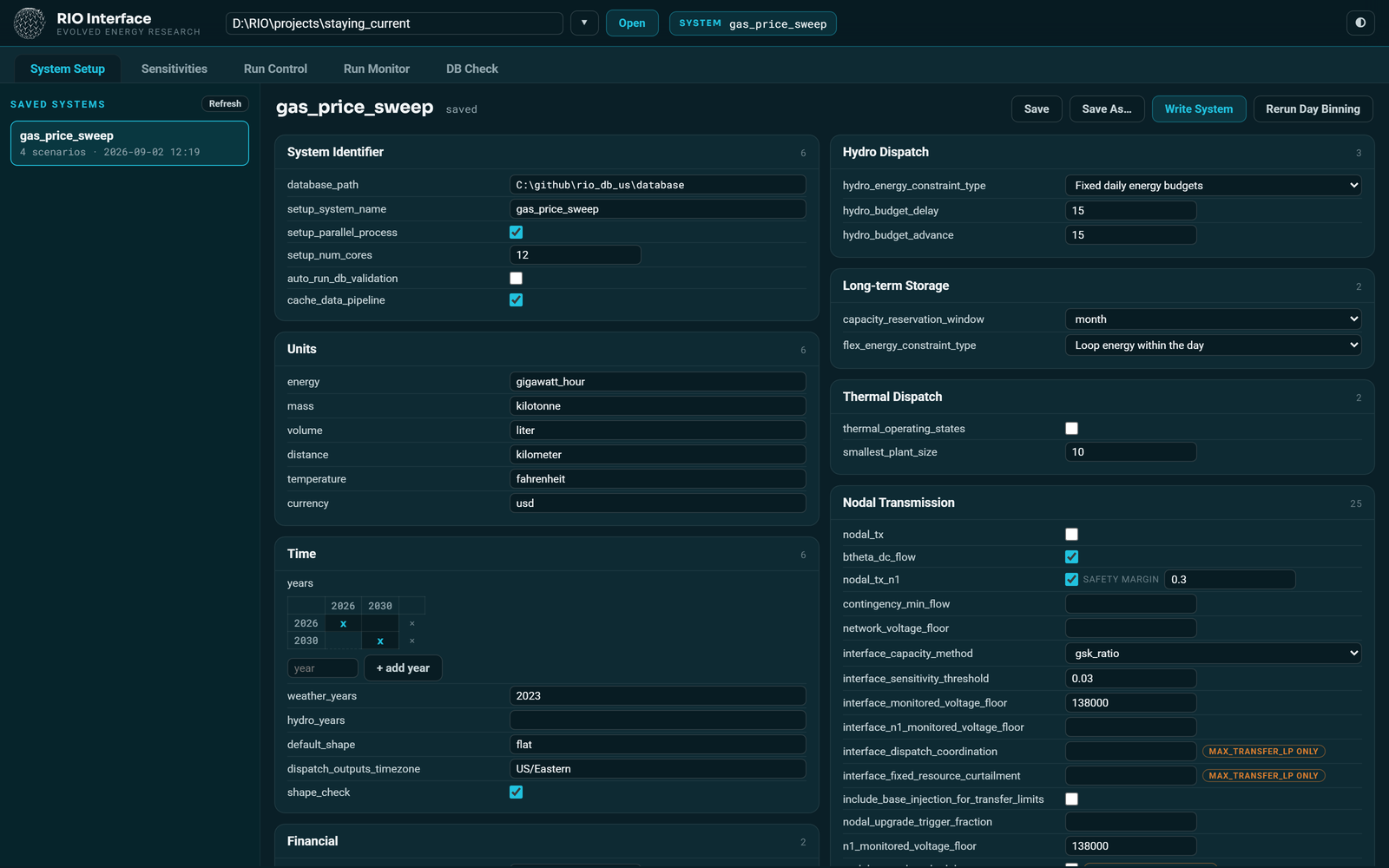
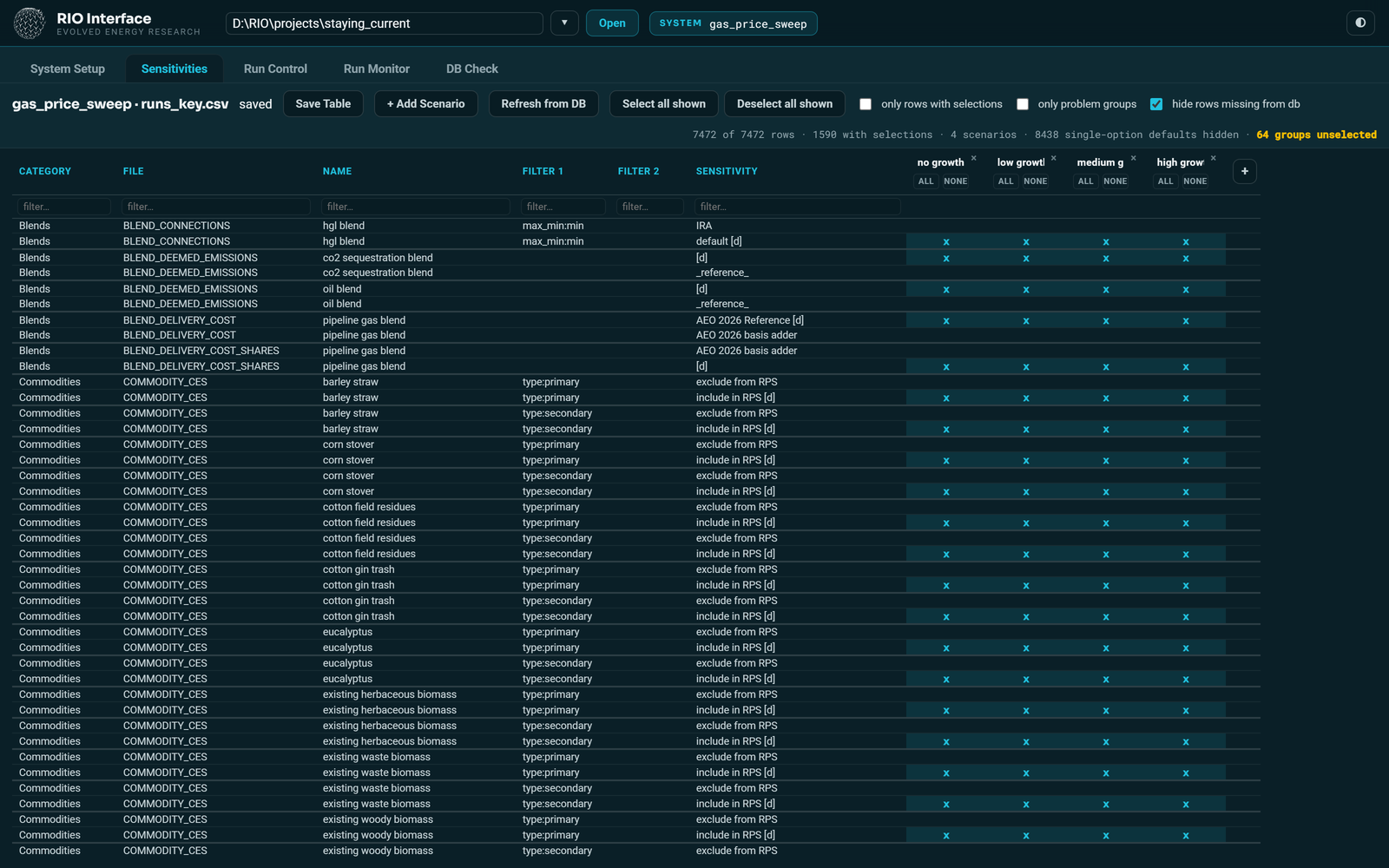
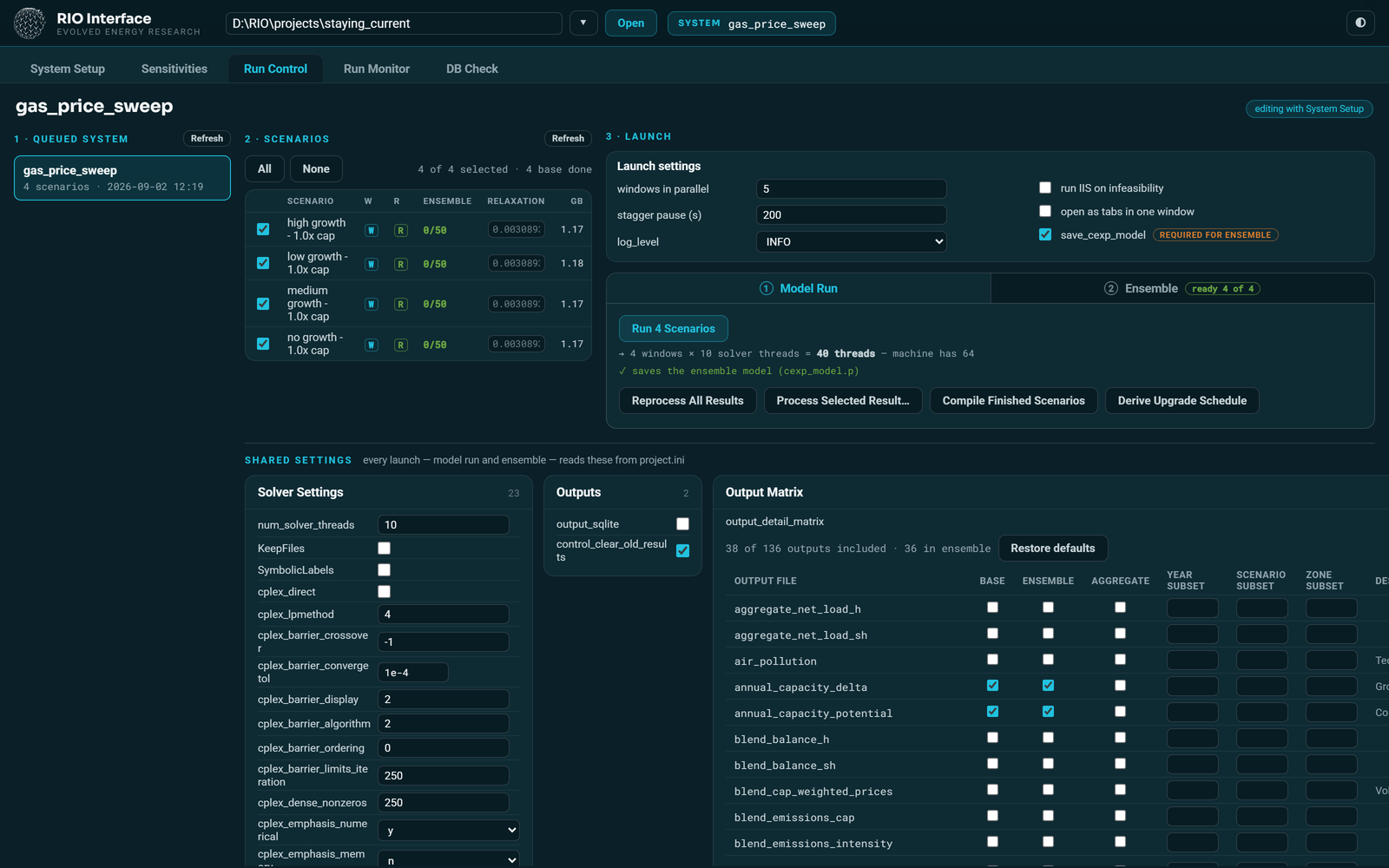
 Click to expand ⤢
As a result, we have begun licensing our software to clients more often; they are producing results of their own with it, as NRDC did in its recent affordability analysis. For others, it is our data rather than the models themselves, as with the Union of Concerned Scientists for its data center work.
If any of this is of interest, whether you want to run our models yourself or draw on our data, we would like to hear from you. Get in touch.