

Decoding Decarbonization: Insights from the Climate School's Guest Lecture
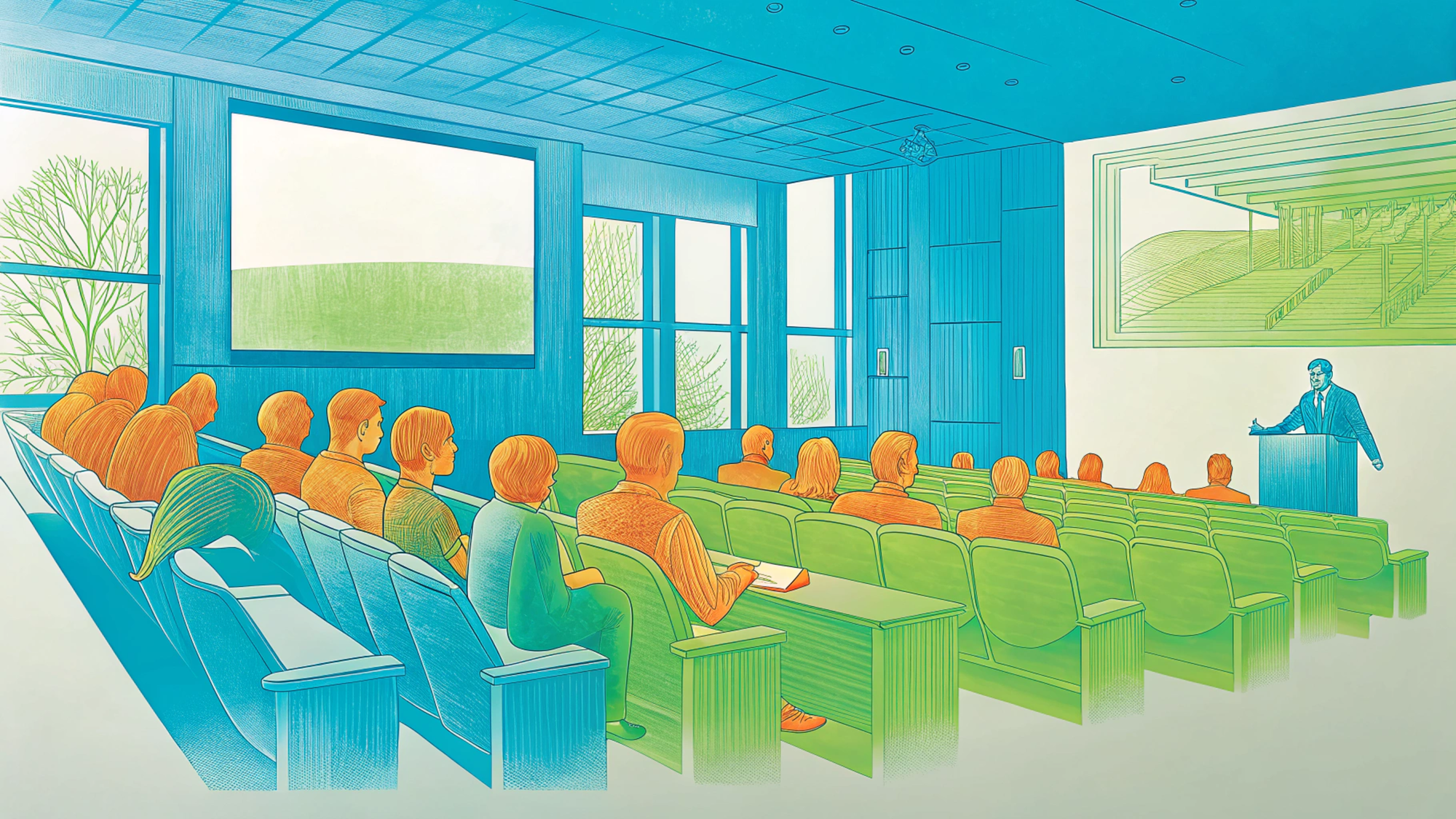
At Evolved Energy Research, we believe that knowledge-sharing is critical to advancing the energy transition. Recently, our team had the opportunity to be in the field at Columbia University’s Climate School, engaging with the next generation of climate and energy professionals. Dr. Jeremy Hargreaves and Benjamin Preneta delivered a guest lecture on the power of energy modeling in navigating climate change mitigation—offering students a first-hand look at how data-driven approaches shape policy and investment decisions in real time.

The Core Purpose: Illuminating Pathways to a Cleaner Future
The goal of the lecture was to showcase how sophisticated energy models serve as essential tools in addressing the complexities of decarbonization. As energy systems become increasingly interconnected, actions in one sector inevitably impact others, requiring holistic and forward-thinking planning.
Dr. Hargreaves and Mr. Preneta emphasized that energy modeling isn't just a theoretical exercise—it’s a bridge between research and real-world decision-making. Whether working with government agencies, financial institutions, utilities, or NGOs, modelers help stakeholders make informed choices about emissions policies, clean energy investments, and grid infrastructure.
For students at the Climate School, this discussion was especially relevant. Mr. Preneta—an alum of the same program—offered a first-hand perspective on how the skills acquired in the classroom can be applied directly to solving urgent climate challenges.
Bringing Energy Modeling to Life: From Theory to Application
The lecture spanned a broad range of topics, illustrating the practical applications of energy modeling and its relevance across different sectors. Key themes included:
- The Fundamentals of Energy Modeling: Understanding how models simulate real-world environments to test hypotheses and explore decarbonization pathways.
- Methodologies: Accounting vs. Optimization: A deep dive into the differences between tracking energy flows (accounting models) and finding the best outcomes based on defined constraints (optimization models).
- Evolved Energy Research's Approach: A look at our unique methodology, which emphasizes economy-wide emissions planning and a “backcasting” approach—starting with an emissions target and working backward to define necessary investments and policies.
- Challenges and Complexities: Examining issues such as renewable energy variability, load growth from data centers, emissions accounting discrepancies, and the uneven policy landscape across states.
- Scenario Planning: Demonstrating how scenario-based modeling can help policymakers prepare for uncertainties while identifying the most effective decarbonization strategies.
- A Concrete Case Study: Wisconsin’s Decarbonization Journey: Using our real-world research to illustrate the impact of different clean energy policies on emissions reductions, electricity demand, and costs.
- Spatial Analysis and Co-benefits: Highlighting how geospatial modeling translates abstract results into tangible insights, informing decisions on land use, air quality, and workforce impacts.
Beyond the Models: The Human Element of Decarbonization
One of the most thought-provoking discussions centered on the real-world consequences of decarbonization decisions. While modeling helps identify cost-effective strategies, the transition to a low-carbon economy isn’t just about numbers—it directly affects communities, businesses, and individuals.
- The “whack-a-mole challenge” was a recurring theme, underscoring how reducing emissions in one sector often shifts the burden elsewhere. Effective planning requires recognizing these interdependencies.
- The shift from reactive to proactive energy planning marks a significant evolution in how we think about infrastructure investment. Instead of responding to demand growth as it arises, planners must anticipate long-term emissions goals and design systems accordingly.
- Equity and Inclusion Matter: Historically disadvantaged communities often bear the brunt of pollution from fossil fuel infrastructure. Decarbonization presents an opportunity to rectify these disparities—but only if policies are designed with equity in mind. Targeted investments in energy efficiency and workforce development can help ensure a just transition.
- The Wisconsin case study demonstrated a crucial insight: a 100% clean electricity target alone is insufficient for achieving net-zero emissions. A broader transformation—including transportation electrification, industrial decarbonization, and strategic use of carbon capture—will be required.
- Communicating modeling results effectively is just as important as running the models themselves. Policymakers and the public need to understand the trade-offs involved in different pathways to build support for ambitious climate action.
In the Field: Sharing Our Research with the Next Generation
Being in the field at Columbia’s Climate School was more than just an academic exercise—it was an opportunity to engage directly with students who will soon be tackling these challenges firsthand. For us at Evolved Energy Research, bridging the gap between research and practice is at the heart of what we do.
Through this lecture, we aimed to provide students with not just theoretical knowledge, but real-world case studies, policy insights, and a sense of the challenges they’ll face when working in energy and climate fields. We also emphasized that effective decarbonization requires collaboration across disciplines—modelers, policymakers, economists, engineers, and advocates all play a role in shaping a sustainable energy future.
Looking Ahead
Decarbonization is a complex puzzle, but energy modeling provides essential guidance for navigating it. Our lecture at the Climate School reinforced that while models have their limitations, they are powerful tools for shaping climate policy, informing investment decisions, and ensuring that the energy transition is both effective and equitable.
As we continue to be in the field—sharing our expertise and collaborating with students, researchers, and policymakers—we look forward to more opportunities to foster the next generation of energy leaders.
[
Download the full report here
Columbia Energy Modeling Class 3-9-2025 Final.pdf
6 MB
download-circle
](https://evolved.ghost.io/content/files/2025/03/Columbia-Energy-Modeling-Class-3-9-2025-Final.pdf "Download")